
15 May 2026
What a first wholesale order actually involves
If you have only ever bought from a distributor or a local market, buying direct from a wholesaler works differently. The shape of it, start to finish.
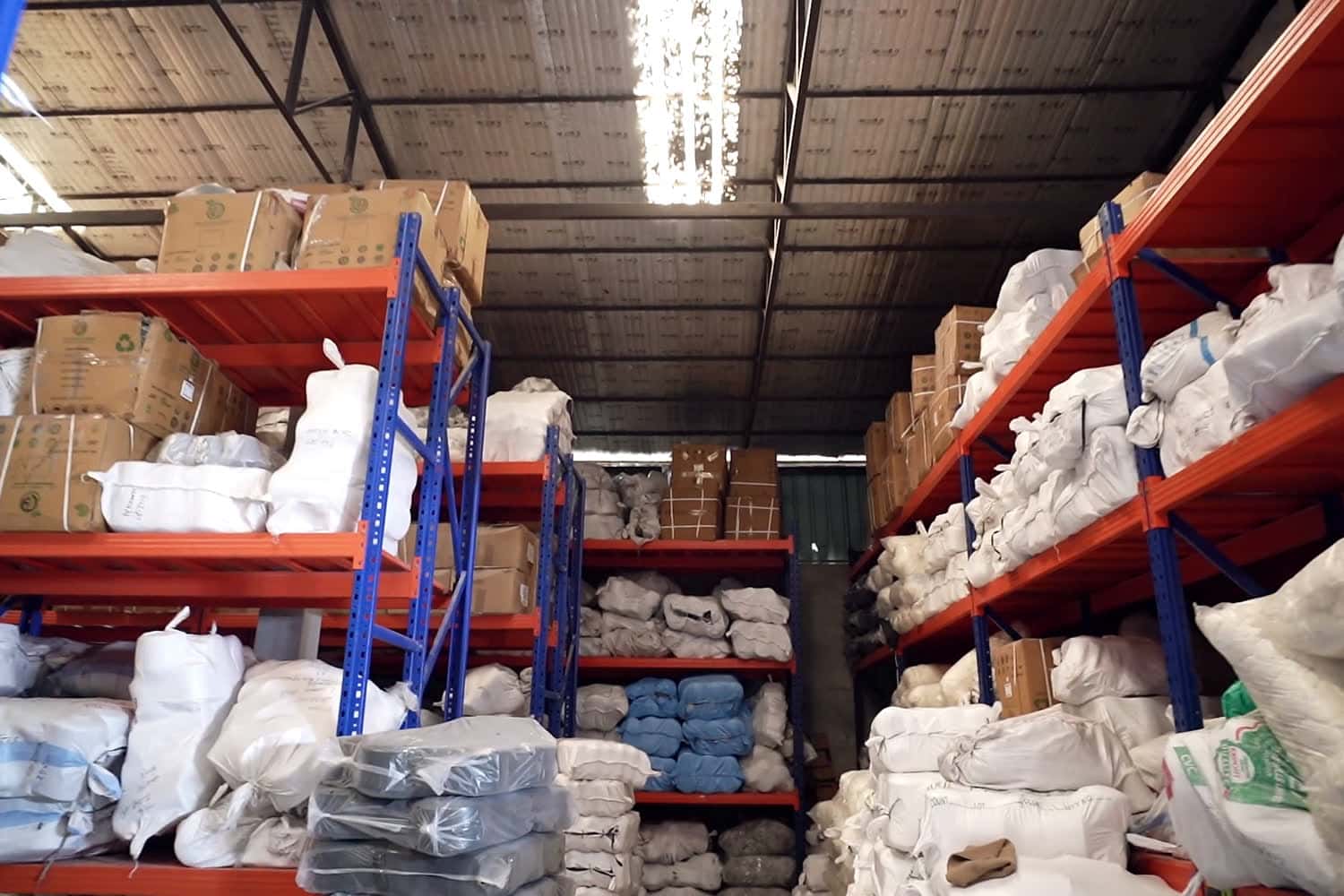
Buying wholesale for the first time is mostly unlearning the idea that it works like retail with bigger numbers. It does not, and the differences are all in the parts nobody writes down.
It starts with a conversation, not a catalogue. There is no cart here and no published price list, and that is not evasiveness. Price in this trade depends on the range, the quantity, the mix of sizes and the season you are asking in. A number printed in advance would be wrong for almost everyone who read it.
Then comes seeing the goods. A photograph is honest about colour and shape and tells you nothing about weight, handle, or how a knit recovers after it is pulled. Buyers who can come to the floor should. Buyers who cannot should ask for the specific things a picture hides, and should expect a straight answer rather than an adjective.
Quantities are agreed by range, not by piece. The useful question is not what one costs but what a workable spread of a range looks like for a shop your size - which is a question about your customers, so expect to be asked about them.
Dispatch is scheduled, not instant. Stock is packed, bundled and sent on a route, and the date is agreed rather than promised loosely. If a supplier will not give you a date, that is worth noticing.
And the first order is rarely the interesting one. What matters is the second: whether what arrived matched what was described, whether the sizes were what you were told, and whether the person who answered the phone in August answers it in December. That is the whole of the relationship, and it is the only part that cannot be shown in a photograph.
If you are working out whether this is worth a trip to Haridwar, call and say what you sell. It is a short conversation and it will tell you more than any page will.