
2 July 2026
How to read a size run before you order
A size run is not a list of sizes. It is a prediction about your customers, and getting the middle of it wrong is the most expensive mistake in wholesale buying.
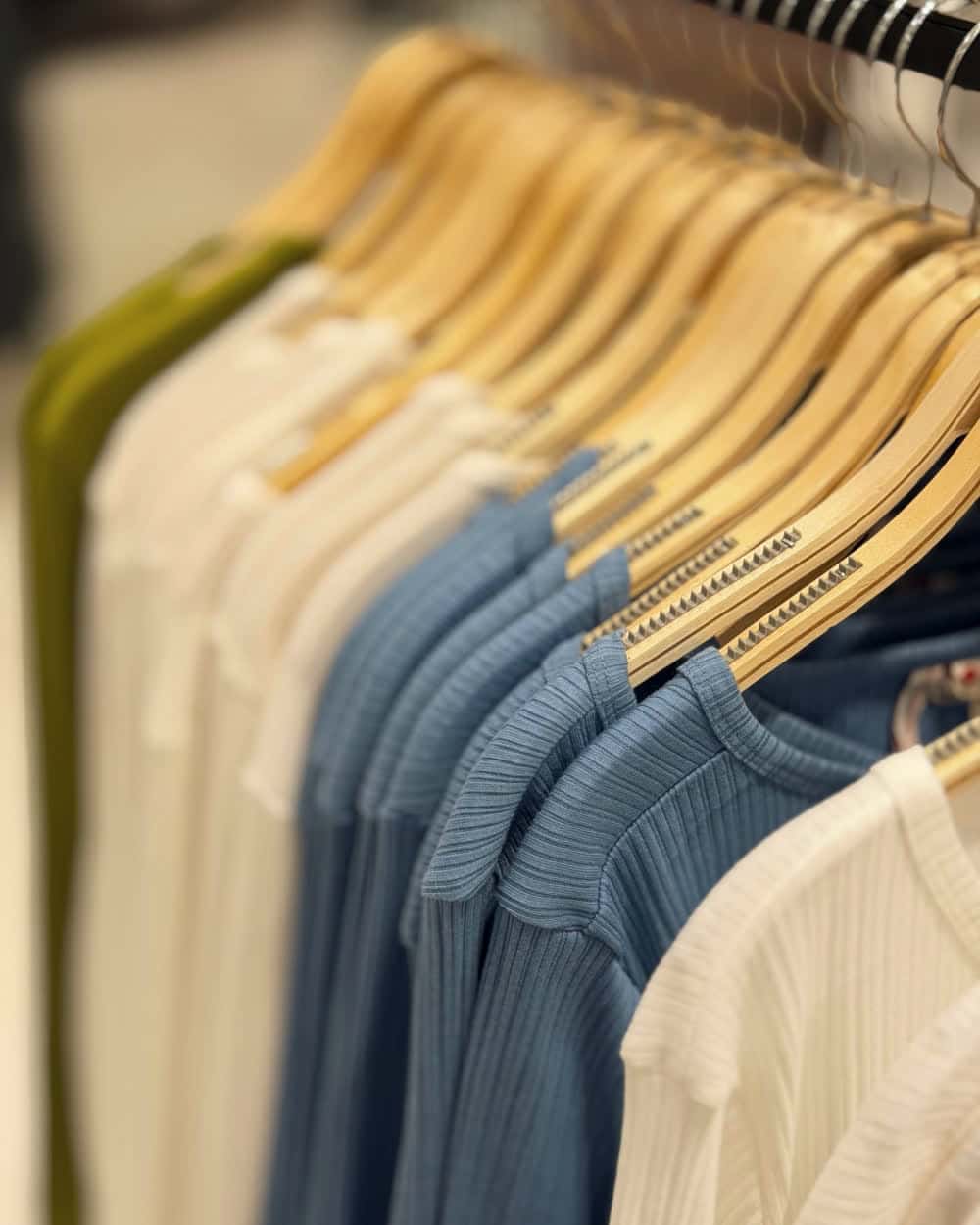
Ask a shopkeeper which sizes they sold out of and most can tell you instantly. Ask which sizes are still on the rail in March and the answer is usually the same two: the smallest and the largest.
That is the whole problem with a size run in one sentence. The ends are easy to buy and hard to sell. The middle is the opposite.
A run written S-XXL looks like five equal things. It never is. In most readymade categories the weight of the demand sits in the two middle sizes, and a run bought in equal quantities leaves you long on the ends and short exactly where the customers were. The shop that reorders in six weeks is not the one that sold more, it is the one that bought the middle deeper.
There is a second thing worth checking, and it costs nothing to ask. Size labels are not standard across manufacturers. An L cut for one buyer's market is not an L cut for another's, and the difference matters most in fitted categories - ladies tops, gents pullovers, anything close to the body. Outerwear is more forgiving because it is worn over something else.
When you are looking at a range, ask two questions before quantity. Where does this maker's run actually sit, and how does that compare with what your customer took last season? Any wholesaler who cannot answer the first question is guessing alongside you.
Bring last season's numbers if you have them, even roughly. A conversation about what did not sell is far more useful than one about what did.